
- Home
- »
- Tellure Rôta
- »
- Medium Duty
Rotary Air Lock Valve
Efficient Airlock Valve for Material Handling
Rotary Air Lock Valve
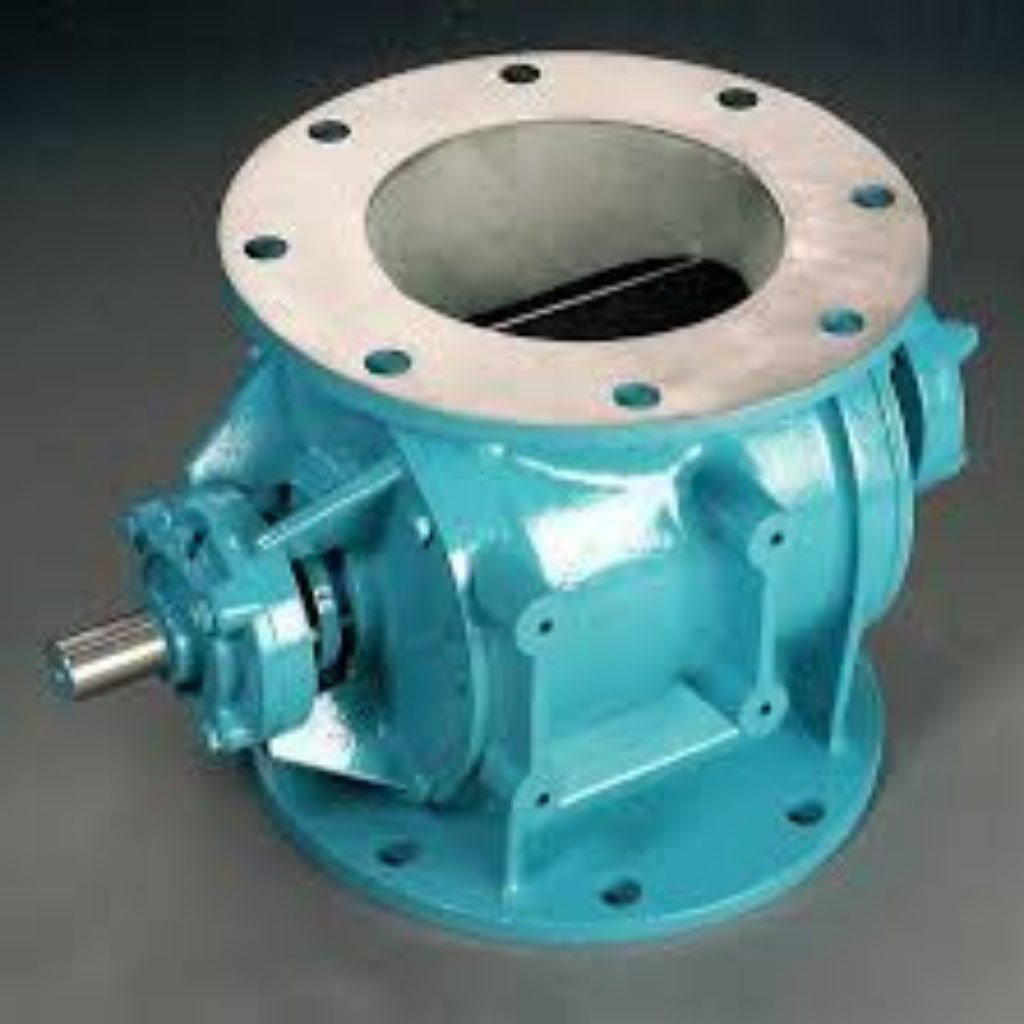
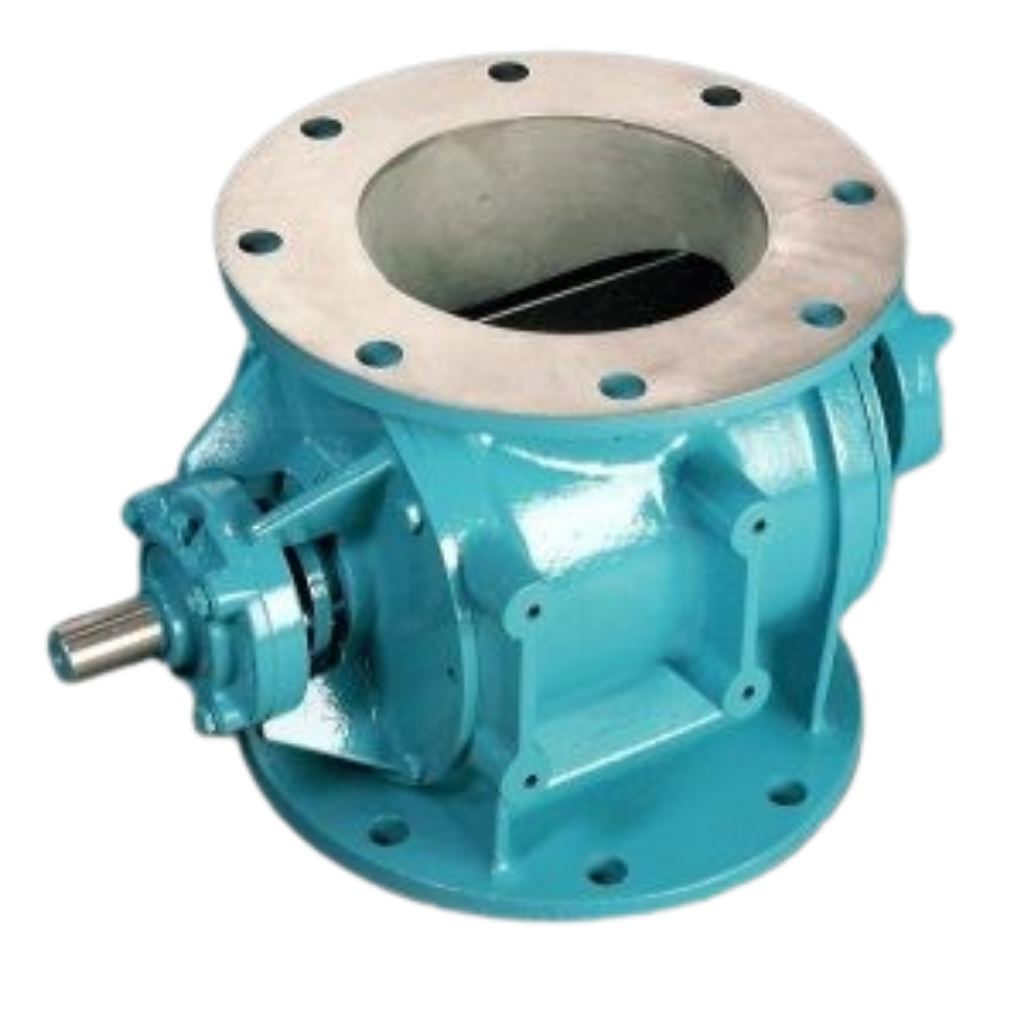
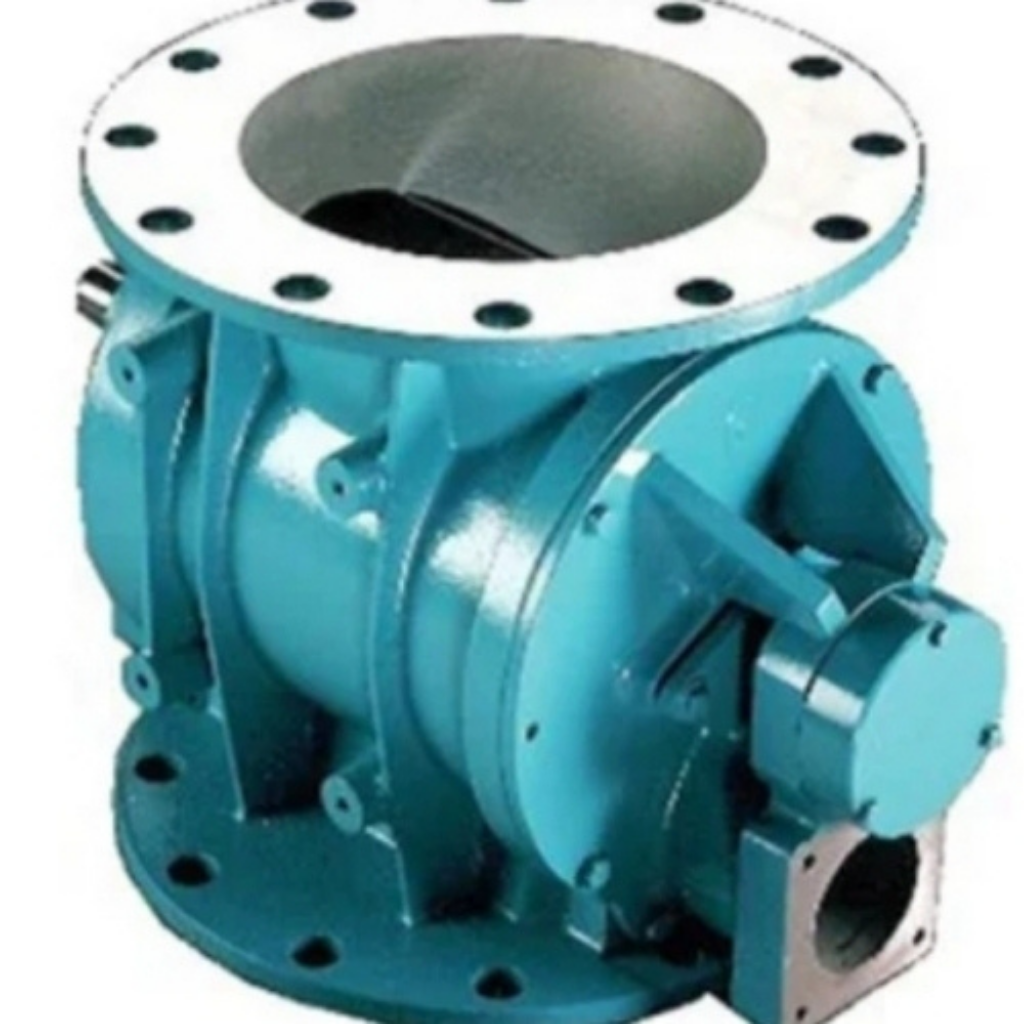
Key Features
- The maximum number of blades that can touch the body simultaneously without compromising throughput.
- High pocket-filling efficiency is made possible by a good throat opening upon valve entry.
- minimal space between the body and the rotor tips and sides.
- sturdy body that is sufficiently rigid to avoid deformation.
- Larger shaft diameters reduce deflection.
- non-contamination outboard bearings.
- Increasing the valve's speed to 25 rpm will prolong its life and guarantee high throughput.
- Components are machined precisely.
WHY CHOOSE US
Why Choose a TM Engineering As Rotary Airlock Valve Supplier
Striving for Quality
Our quality assurance process includes:
• Manufacturer certification verification
• Physical inspection of every batch
• Performance testing before dispatch
• Documentation of compliance certificates
Knowledge & Expertise
Our expertise covers:
• Lifting equipment selection and installation
• Material handling system design
• Load monitoring system integration
• Safety compliance and certification
• Equipment maintenance and training
Ready Availability
Our delivery network includes:
• Pan-India coverage with express delivery options
• Multiple warehousing locations
• Emergency stock availability
• Scheduled supply management
Frequently Asked Questions
The flow rate, pressure drop, material characteristics of the powder or grains being handled, and many other parameters determine the size of the rotary airlock valve that should be chosen. To choose the appropriate size for your application, it is crucial to speak with our specialist.
Regular inspection, cleaning, rotor wear and operation checks, bearing surface lubrication, and sealing mechanism condition are all part of maintaining a rotary airlock valve. Following the manufacturer’s maintenance instructions is crucial to ensuring the valve operates correctly and lasts a long time.
Rotary airlock valves frequently experience wear and tear, clogging, material accumulation in the rotor pockets, seal leaks, and bearing failures. The valve should be cleaned, examined, and any worn or damaged parts replaced in order to resolve these issues.